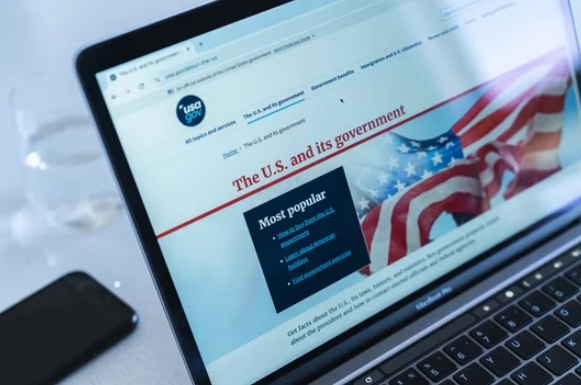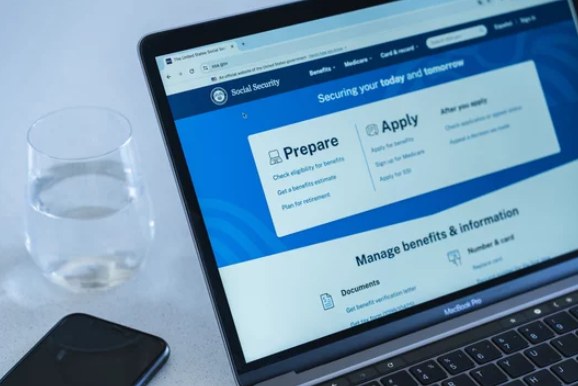


Government benefits play a crucial role in supporting individuals and families, especially during financial hardship, unemployment, health crises, and retirement. These benefits, funded through taxes, aim to provide economic security, healthcare, housing, and educational assistance to eligible recipients.
Types of Government Benefits
-
Financial Assistance: Programs like unemployment benefits, social security, and disability assistance provide financial support to those who are unable to work due to age, disability, or economic downturns.
-
Healthcare Benefits: Many governments offer healthcare subsidies, public health insurance, or free medical care to ensure that citizens have access to necessary medical services. Medicaid and Medicare, for example, help low-income individuals and senior citizens afford medical expenses.
-
Housing Assistance: Government housing programs provide affordable housing options, rental subsidies, and homeownership grants to individuals and families struggling with high living costs.
-
Food Assistance: Programs like food stamps (SNAP) and free school meal initiatives help low-income families afford nutritious meals, reducing food insecurity and malnutrition.
-
Education and Job Training: Scholarships, grants, and vocational training programs support students and job seekers in advancing their careers, making education accessible to all economic backgrounds.
Who Qualifies for Government Benefits?
Eligibility varies by program and country, but most benefits consider factors like income level, employment status, disability, and family size. Many programs require proof of need, and some are limited to specific groups such as veterans, senior citizens, or single parents.
How to Apply
Most government benefits require an application process through official websites, local offices, or community centers. It’s essential to verify eligibility requirements and submit necessary documentation to avoid delays.
Government benefits serve as a safety net, helping citizens maintain financial stability and access essential services, ultimately improving the quality of life for many.